
How to Pick the Best Hitch for a Flat Tow Setup
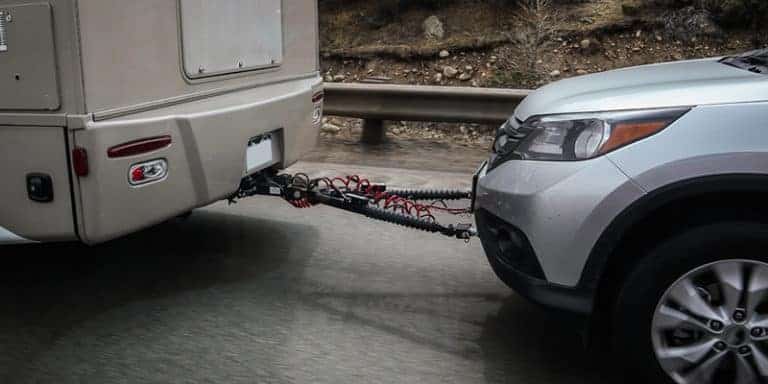
Choosing the best hitch for a flat tow setup starts with understanding your vehicle’s towing specifications, hitch compatibility, and the equipment needed to create a safe towing system. Whether you’re towing a vehicle behind your RV for weekend trips or cross-country travel, selecting the right components from the beginning can improve stability, reduce wear on your equipment, and make every trip more dependable. At RA Hitch & Truck Outfitters, our technicians help customize flat towing systems that match your vehicle, weight requirements, and travel plans.
What to Consider Before Choosing a Flat Tow Hitch
Not every vehicle can be flat towed, and not every hitch is built for the same application. Before purchasing equipment, there are several factors worth evaluating to help ensure your towing system is both safe and dependable.
Some of the most important considerations include:
- Verifying your vehicle is approved for flat towing by the manufacturer
- Matching the hitch’s weight rating to your towed vehicle
- Choosing a compatible tow bar and base plate system
- Confirming your lighting and braking systems meet state requirements
- Having your equipment professionally installed and inspected
The National Highway Traffic Safety Administration recommends following manufacturer towing specifications and ensuring all towing equipment is properly secured before traveling. A properly designed flat tow setup helps improve handling while reducing unnecessary wear on your equipment.
| What to Check | Why It Matters |
|---|---|
| Hitch class and weight rating | Ensures the hitch is designed for your towing load |
| Hitch receiver compatibility | Allows towing components to fit together correctly |
| Tow bar and base plate system | Creates a secure connection between vehicles |
| Wiring and braking systems | Keeps lighting and braking operating safely |
| Routine inspections | Helps extend equipment life and improve reliability |
Criteria for Choosing the Best Hitch for Flat Towing
The best hitch is not simply the strongest option available. It should be compatible with your vehicle, meet your towing needs, and support a safe, dependable towing experience. As you research, keep these important criteria in mind.
1. Vehicle Compatibility
Start by confirming that both your vehicle and hitch are designed for flat towing. Check your owner’s manual for manufacturer recommendations, verify your towing capacity, and choose equipment with the proper hitch class and weight rating for your towed vehicle. It’s also important to ensure your hitch receiver, tow bar, and base plate system are all compatible. Selecting components that work together from the beginning creates a safer and more reliable flat tow setup while helping prevent unnecessary wear on your towing equipment.
2. Wiring and Braking Integration
Your hitch is only one piece of the system. Tow bars, safety cables, lighting, and supplemental braking systems should all work together properly. Proper integration also helps ensure your towing lights, safety equipment, and braking system perform as expected throughout every trip. Professional trailer hitch installation near me helps ensure each component is correctly installed and functions as intended before you hit the road.
A complete flat towing system typically includes:
- A properly rated trailer hitch receiver
- A compatible tow bar and base plate system
- Safety cables or chains
- Functional towing lights and wiring
- A supplemental braking system where required
3. Long-Term Durability and Maintenance
A quality hitch should continue performing trip after trip with proper care. Before every trip, inspect your hitch receiver, tow bar, safety chains, electrical connections, and hitch pins to ensure every component is secure and functioning properly. The Federal Motor Carrier Safety Administration also recommends routinely inspecting towing equipment to improve safety and reduce the risk of equipment failure. If you notice excessive movement, corrosion, or damaged components, scheduling trailer service and repair near me can help prevent small issues from becoming expensive repairs.
Why the Right Hitch Makes a Difference
Choosing the right hitch is about more than simply connecting one vehicle to another. A properly matched hitch improves stability, distributes towing forces more effectively, and helps reduce unnecessary wear on both your tow vehicle and towing equipment. When combined with the correct tow bar, base plate system, safety chains, wiring, and supplemental braking components, a properly selected hitch becomes the foundation of a dependable hitch.
Investing time in selecting compatible equipment before your first trip can also help prevent common towing issues such as excessive sway, uneven handling, and premature component wear. Whether you’re preparing for occasional weekend travel or frequent RV adventures, choosing the right setup provides greater confidence every time you head out on the road.
Build the Right Flat Tow Setup with RA Hitch
Every towing situation is different, which is why selecting the right hitch starts with understanding your vehicle, towing capacity, and long-term travel plans. A professionally installed flat tow setup provides greater confidence on the road while helping protect both your tow vehicle and the vehicle being towed. At RA Hitch & Truck Outfitters, our team can help you select the right hitch, install compatible towing equipment, and keep your system performing its best. Contact us today to learn more about our towing solutions and professional installation services.