
Complete Beginner’s Guide to Trailer Hitches
Choosing a trailer hitch for the first time can feel confusing. With different hitch styles, weight ratings, and installation options available, knowing where to start isn’t always easy. Understanding a few basics can help you narrow down your choices and find a setup that fits your vehicle and towing needs.
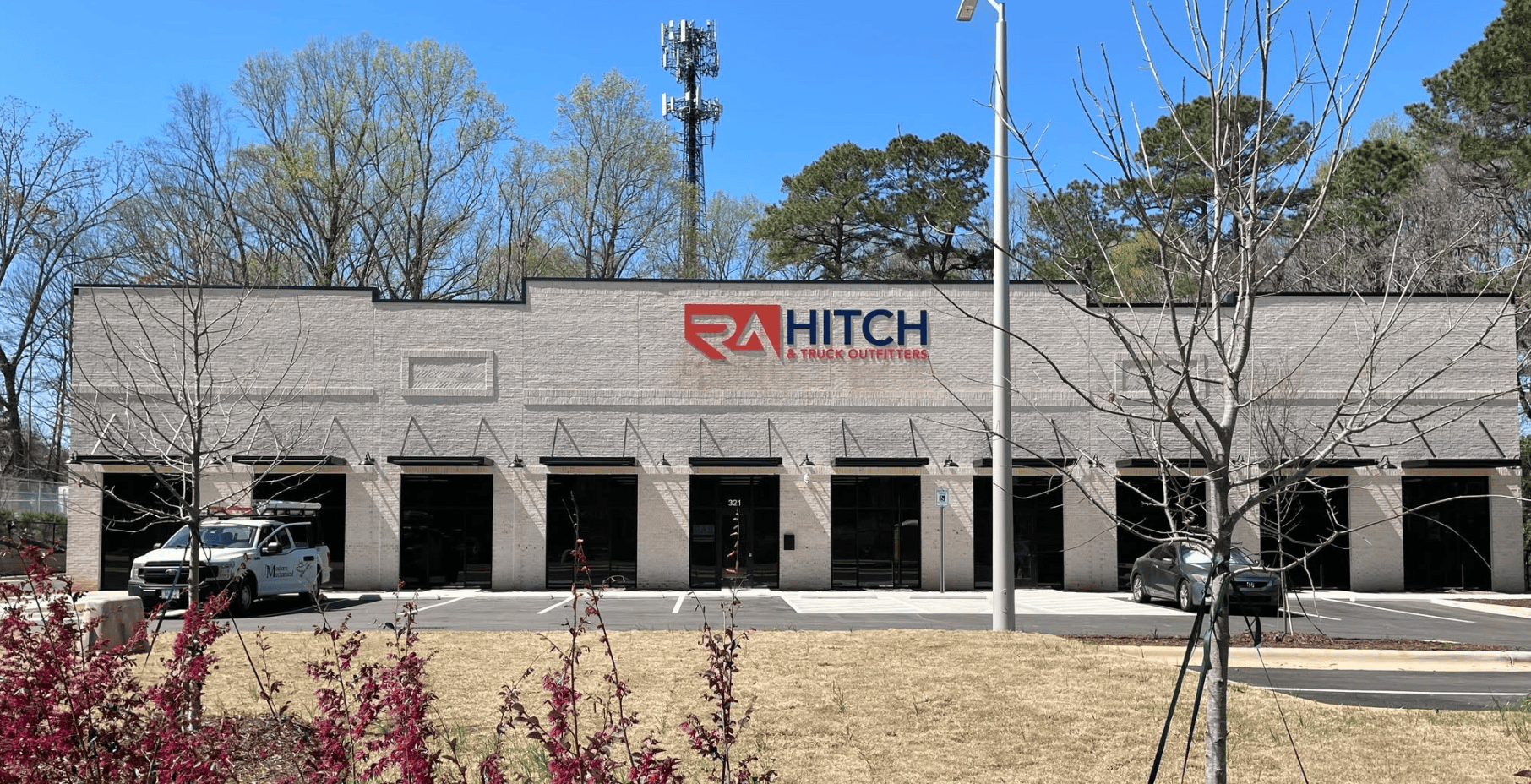
At RA Hitch & Truck Outfitters, we help drivers find the right hitch for everything from hauling small utility trailers to towing campers and heavy-duty equipment. If you’re searching for trailer hitch installation near me, here’s what you should know before getting started.
What Are the Main Types of Trailer Hitches?
Not all hitches are designed for the same purpose. The right option depends on your vehicle, the trailer you plan to tow, and how frequently you’ll use it.
- Receiver hitches: These attach to a vehicle’s frame and use a receiver tube for a ball mount or other accessories. They’re a common choice for everyday towing.
- Gooseneck hitches: Installed in a pickup truck’s bed, these connect to gooseneck trailers often used for livestock, horses, and heavy equipment.
- Fifth-wheel hitches: Also mounted in a truck bed, these connect to a trailer through a kingpin. They’re commonly used for larger recreational vehicles and some commercial trailers.
The CURT guide to trailer hitch types explains the differences between these options, including hitch classes and weight ratings.
How Do You Choose the Right Hitch?
Before choosing a hitch, consider what you’ll tow and how your vehicle is equipped. Keep these factors in mind:
- Vehicle capacity: Check your manufacturer’s towing and payload limits.
- Trailer weight: Account for the loaded trailer, not just its empty weight.
- Trailer type: A utility trailer may use a receiver hitch, while a fifth-wheel or gooseneck trailer needs a different connection.
- How often you tow: Your regular towing needs can help determine which setup makes sense.
For example, someone towing a fifth-wheel camper may need a CURT 5th wheel trailer hitch. Drivers looking for a different receiver-hitch option can also ask about a stealth trailer hitch and whether it’s compatible with their vehicle and intended use.
Some receiver-hitch setups may also benefit from a weight distribution hitch, which helps distribute trailer tongue weight across the vehicle and trailer axles. The right equipment depends on your vehicle, trailer, and manufacturer’s recommendations. See CURT’s weight distribution hitch guide for more information.
One important rule: never exceed the rating of the lowest-rated component in your towing setup. Your vehicle, hitch, and other towing equipment must all be suitable for the load.
Why Does Professional Installation Matter?
A hitch needs to fit your vehicle correctly and work with the rest of your towing equipment. If you need gooseneck trailer hitch installation near me, an experienced installer can help you select compatible equipment and ensure the setup suits your truck and trailer.
At RA Hitch & Truck Outfitters, we help customers compare options and find practical towing solutions for their vehicles.
Get Started With the Right Hitch
You don’t have to figure out every hitch option on your own. If you’re searching for trailer hitch installation near me, contact RA Hitch & Truck Outfitters to discuss your setup and get professional guidance. We’ll help you find the right hitch for your vehicle and towing needs.