
How Do I Know What Hitch Size I Need?
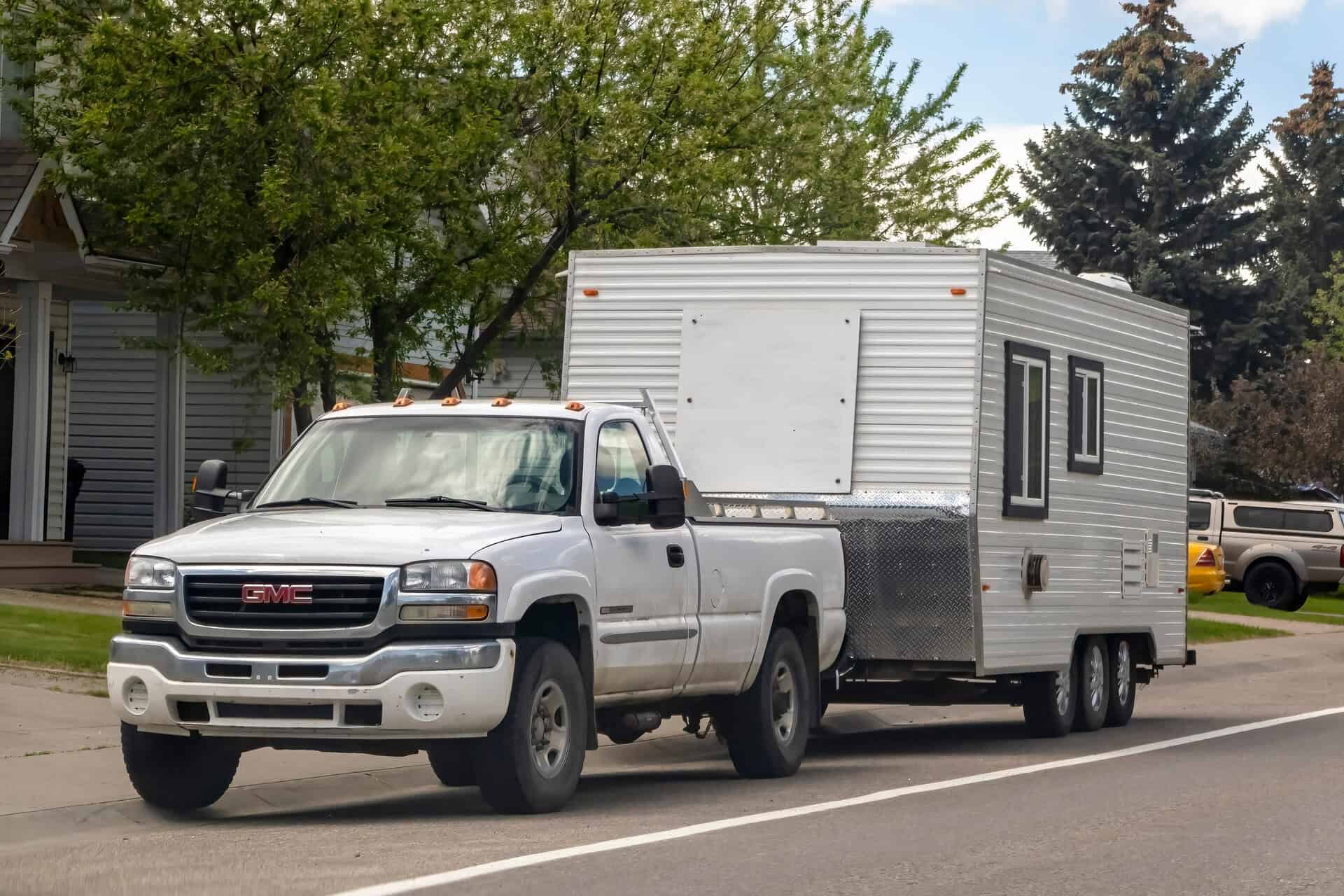
Choosing the right hitch size starts with two things: what you drive and what you plan to tow. Your vehicle’s towing capacity, trailer weight, hitch class, and receiver size must all work together.
If you’re unsure, guessing the correct hitch size is the last thing you want to do. A professional who handles trailer hitch installation Raleigh, NC, can match your vehicle with a hitch that’s built for the job. For more guidance, our team at RA Hitch & Truck Outfitters has outlined all you need to know about trailer hitch sizing and towing capacity.
What hitch size does my vehicle need?
Most receiver hitches use a 1¼-inch, 2-inch, 2½-inch, or 3-inch receiver opening. However, receiver size alone doesn’t tell you how much you can safely tow.
Before choosing a hitch, check:
- Your vehicle’s maximum towing capacity
- Your trailer’s loaded weight
- The hitch’s weight rating
- Tongue weight
- Receiver size
- Your vehicle manufacturer’s towing requirements
Your towing system can only safely handle what its lowest-rated component allows. A heavy-duty hitch doesn’t increase the towing capacity set by your vehicle manufacturer.
Our team at RA Hitch & Truck Outfitters can assist with trailer hitch installation Raleigh, NC, ensuring safe travels and dependable equipment each time.
Which Hitch Class Is Right for What You’re Towing?
Trailer hitches come in several classes, and the right one depends on your vehicle and towing needs.
Light-Duty and Everyday Towing
Class I and II hitches typically suit lighter applications, while Class III hitches offer greater versatility for SUVs, crossovers, vans, and trucks. You might use these hitches for utility trailers, small campers, cargo carriers, or bike racks.
Heavy-Duty Towing
Larger trucks may use Class IV or V receiver hitches for heavier loads. If you’re hauling equipment, livestock, large campers, or other substantial loads, you may need a different setup.
Gooseneck Trailer Hitching
In some cases, gooseneck trailer hitch installation near me may be more suitable. Gooseneck hitches mount in the truck bed and place the trailer’s tongue weight over the rear axle, making them well suited for heavy-duty towing applications.
What If I Need a Flat Tow Setup?
A flat tow setup works differently from a standard receiver hitch. It lets you tow a compatible vehicle behind an RV with all four wheels on the ground.
What does a flat tow setup include?
A complete system may include:
- A vehicle-specific base plate
- A properly rated tow bar
- Safety cables
- An auxiliary braking system
- Lighting and electrical connections
Because compatibility varies by vehicle, choosing the right components matters just as much as choosing the correct size.
How Can I Make Sure I’m Choosing the Right Hitch?
The easiest way to determine what hitch you need is to start with your vehicle, what you’re towing, and the weight you need to handle. An experienced installer, like RA Hitch & Truck Outfitters, can check compatibility, weight requirements, wiring, and other components to recommend the right trailer hitch installation Raleigh, NC, and the parts you need. Reach out to our team today to get started!